
Building Foundation for Development (BFD)
Working Together, Saving Lives
2025 Annual Report | EmONC Project
Integrated Services for Reproductive Maternal Health in Yemen (EmONC)
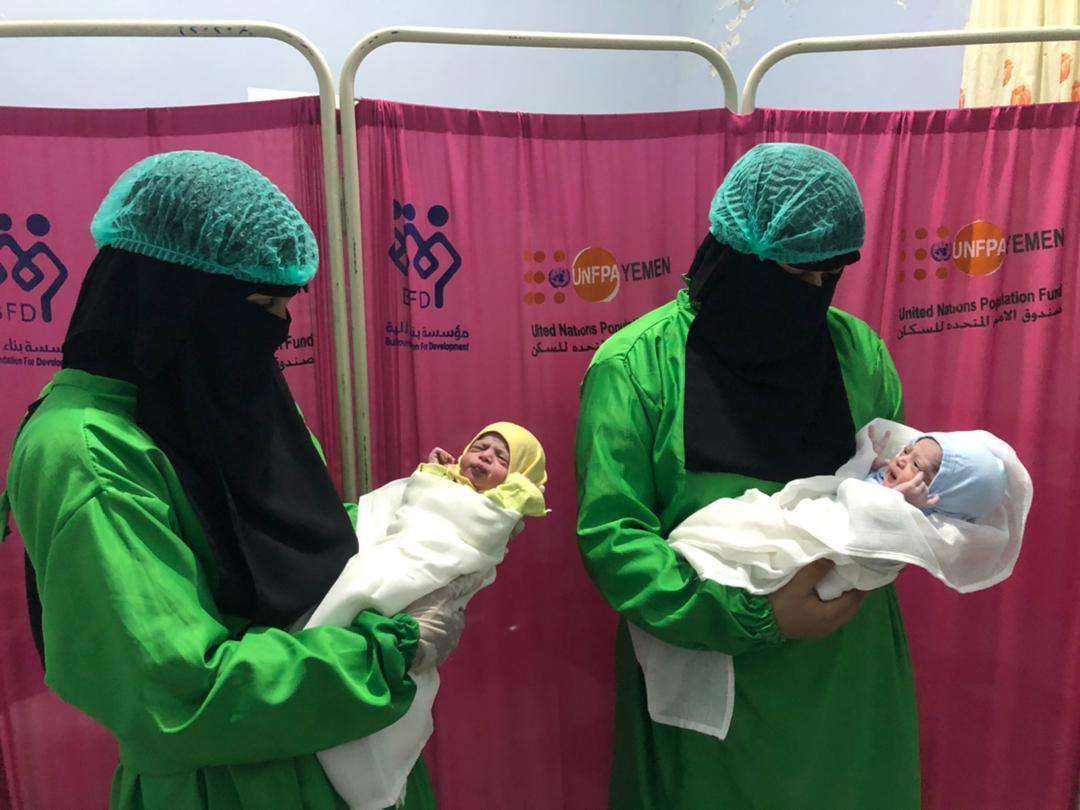
In 2025, BFD, supported by UNFPA, continued delivering life‑saving maternal and newborn care, strengthening facility functionality, expanding community midwifery, and integrating GBV support within reproductive health services, despite significant funding constraints that reduced coverage.
2025 at a glance
- Coverage across 11 governorates and 34 districts
- Health facilities supported: 53 (Q1) → 35 (Q2–Q4)
- 2,550 health workers supported through incentives
- Community Midwives launched mid‑July 2025
2025 Snapshot
The EmONC Project operated across a network of supported facilities to sustain essential reproductive health services, maintain readiness for obstetric emergencies, and improve access for remote and underserved communities.11
Governorates
Project presence across high‑need areas.
34
Districts
Coverage focused on vulnerable communities.
53 → 35
Health Facilities
Reduced after Q1 due to funding cuts.
2,550
Health Workers
Supported to sustain service delivery.
Service Delivery (Key Interventions)
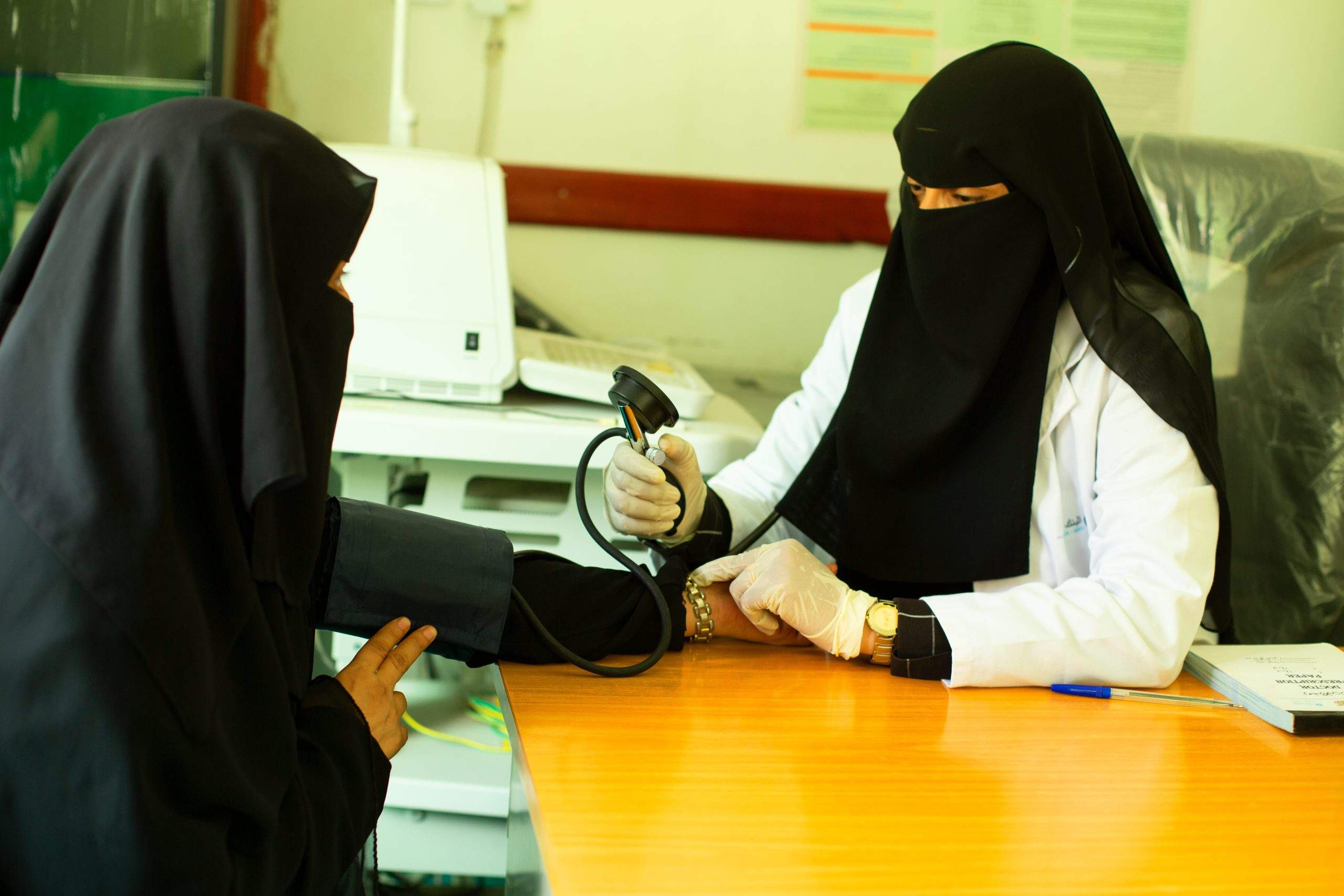
The project prioritized maternal and newborn health services, referral pathways, and facility operations support, with special attention to continuity of care in humanitarian settings.Facility Types Supported: 14 BEmONC and 21 CEmONC facilities (within the 35 supported from Q2–Q4).
Mobile Medical Teams (MMTs): Two teams in Marib delivered 6,599 services in Q1,
then stopped due to funding cuts.
Operational Continuity: Support included maintaining functionality through measures like
solar power and equipment maintenance.
Community Midwives (Launched July 2025)
To bridge access gaps in hard‑to‑reach areas, BFD launched the Community Midwives activity in mid‑July 2025, deploying 26 midwives across 12 districts in Al‑Hodaidah and Dhamar.Beneficiaries reached: 3,201
Service breakdown: 2,113 ANC | 91 deliveries | 703 PNC | 294 FP & counseling
Integrated RH–GBV Support
The project integrated GBV services within reproductive health care to reduce barriers, strengthen safe support pathways, and provide psychosocial services in trusted clinical environments.PFA reached: 528 beneficiaries
PSS reached: 106 beneficiaries
Awareness sessions: 337 sessions conducted
Dignity kits: 100 distributed to eligible survivors
Preparedness & Contingency (CIKs)
To mitigate stockouts and service interruptions, BFD distributed Contingency Intervention Kits (CIKs) to 32 EmONC-supported facilities across 31 districts, with an in-kind value of USD 319,256.70.CIKs coverage: 32 facilities in 31 districts
Estimated value: USD 319,256.70 (in‑kind contribution)
Impact of Funding Cuts (Selected Findings)
Funding reductions affected coverage, staffing, and service continuity. Selected comparisons show how quickly maternal and newborn outcomes can deteriorate when life‑saving support is withdrawn.Staff presence: 463 → 280 (40% decrease)
Working hours: 504 → 280 (44% decrease)
General practitioners: 39 → 9 (77% decrease)
Beneficiary reach: 13,592 targeted → 5,816 achieved (57% reduction)
Maternal deaths: 0 → 4 reported (post‑withdrawal 3‑month window)
Neonatal deaths: 9 → 17 reported (post‑withdrawal 3‑month window)
Call to ActionRestoring support to essential EmONC services, particularly in underserved and remote areas—helps protect mothers
and newborns, retain skilled health workers, and keep critical facilities operating.