Building Foundation for Development

Emergency Aid and Protection

Emergency Aid Program

Overview

In order to contribute in delivering protection assistance and services to vulnerable, conflict-affected, and displaced individuals, especially for vulnerable women, children, and GBV survivors, BFD has strongly been focusing on Protection programs through dualistic main aspects:

    • Exclusively protection programs:

Through establishing community centers and Gender-Based Violence (GBV) programs and networks. Moreover, BFD link its child protection and GBV services closely to healthcare, education, economic development, justice, and humanitarian response for each child and their family.

    • BFD has also successfully engaged all of the protection core principles and adopted complementary mechanisms for Child Protection (CP) and Gender-Based Violence (GBV) within all of its multi-sectorial activities in Health, Nutrition, WaSH, FSA, Shelter, Education, and CCCM.

Emergency Aid Programs:

CCCM Programme.

  • Camp Coordination and Camp Management.

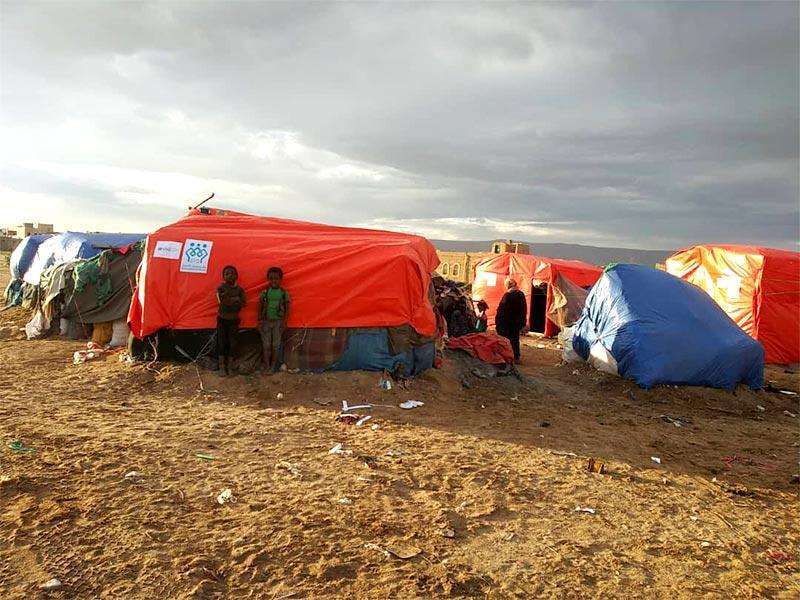
BFD works to support internally displaced persons (IDPs) in some of the most severely displacement-affected governorates in Yemen, through a wide range of interventions and activities, among those, Camp Coordination and Camp Management (CCCM) programming.

Through CCCM, BFD aims to improve the quality of life, safety, and dignity of displaced people, ensuring the best possible protection and assistance environments, in accordance with international standards, and through multi-sectoral approaches. Besides, BFD has successfully contributed concrete and upgraded management in coordination activities (CCCM/SMC) for 20% of the total verified IDPs hosting sites in Yemen.

Shelter/NFI

  • Shelter/NFI/Winterization Shelter

In order to contribute to reducing the risk of displacement and violence against civilians and facilitate the recovery of people traumatized by conflicts in Yemen, and promote the dignity of people living in emergency, transit and hosting sites.

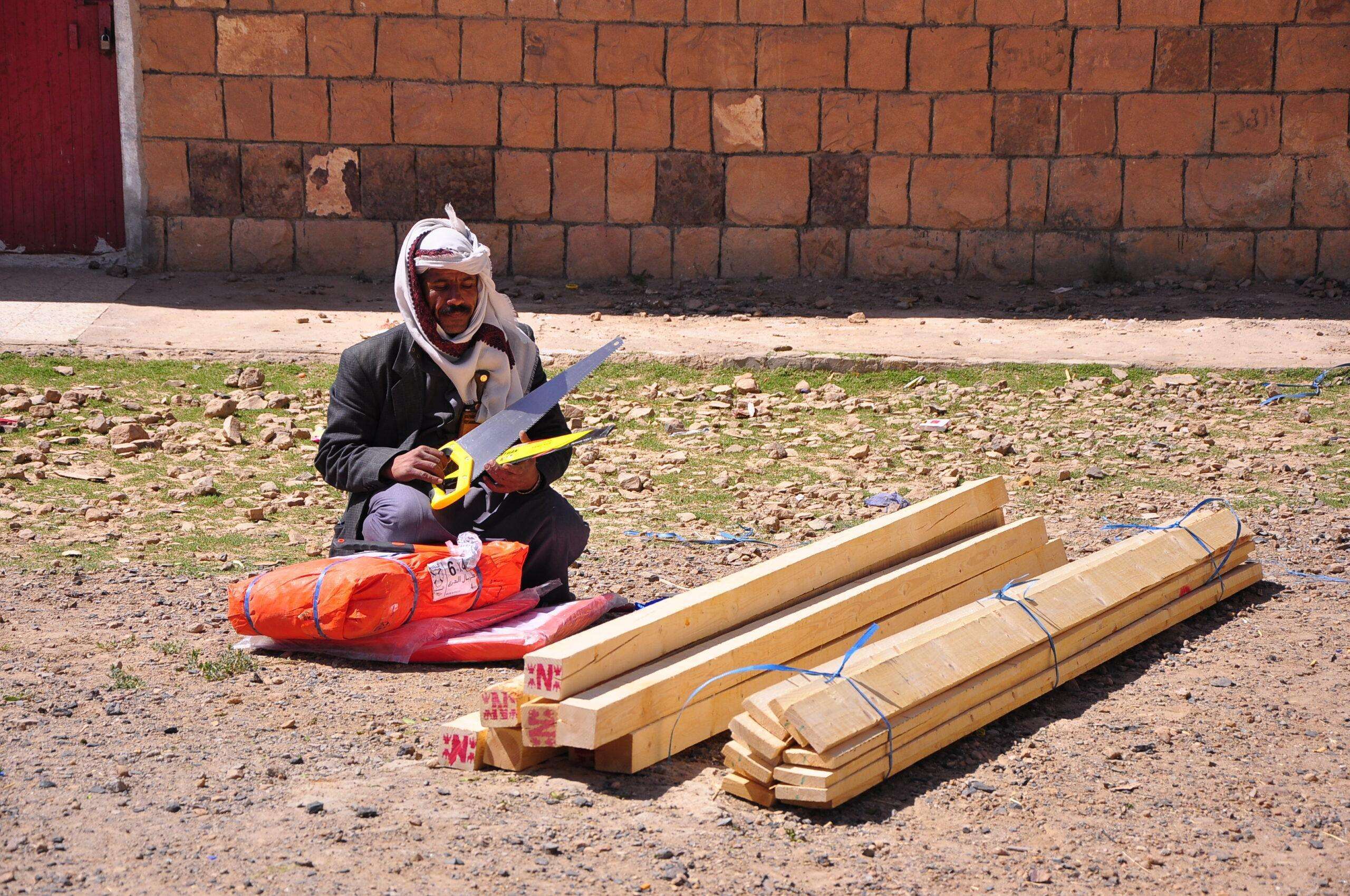
BFD has successfully implemented all different lines of Shelter/NFI activities with a very long and efficacious record in the Shelter/NFI sector has been proudly written for BFD from all related A) donors, as the only local partner that has successfully implemented all different lines of activities from 1) emergency short term solutions i.e. Distribution of Non- Food Items (NFIs) & Emergency Shelter Kits (ESKs) via all types of modalities; In-Kind, Cash and Vouchers and 2) long term solutions i.e. Houses rehabilitation and construction, transitional shelters to ensure a proper IDP living in spontaneous settlement to be upgraded from the emergency shelter to the longer-term shelter solution, provision of maintenance support and to many IDPs hosting sites and camps to enhance their living conditions within their shelters.

  • Logistics and pre-positioning:

BFD has full preparation of stocks and emergency materials within the shelter and NFIs materials to respond quickly to the emergency displacement movements and response within the various humanitarian needs in health such as cholera and dengue fever, where BFD worked prepare the medicines and medical Supplies and means of transportation to respond as required.

Basic services provision

  • Shelter/NFI

BFD has been vastly contributing to provide basic services within all of its programmatic Programs like Health, Nutrition, Food Security and Livelihood, Shelter, Education, Mine Risk management and education and protection across 16 governorates in Yemen.

ERM

  • SMEB and MPCA

Multipurpose cash assistance program offers people affected by crises the flexibility and dignity to choose how to cover their needs. Corresponding to the amount of money a household needs to cover, fully or partially, a set of basic and/or recovery needs. The MPG/MCA can contribute to meeting a Minimum Expenditure Basket (MEB) or other calculation of the amount required to cover basic needs, but can also include other one-off or recovery needs.” Extremely vulnerable families with specific needs or without able-bodied members (e.g. child-headed households, households headed by older persons, persons with disabilities PWD, etc. incapable of working),

  • RRM

BFD has proven its fully diligence and humanitarian commitment within one of the toughest and hardest emergency relief environmental aspects towards most vulnerable people in acute need for immediate and most critical life-saving emergency supplies across the prioritized governorates and districts, some of which areas are known to be very strong front lines and conflict zones. Yet, BFD is still implementing its activities with fully taken coordination steps and full compatibility with both sides and all presented parties.

Having BFD as the main partner covering those districts with hardworking and highly qualified team onset to cover the immediate needs for those vulnerable newly displaced, on the move, in hard-to-reach areas or stranded close to the front lines people, as well as most vulnerable returnees through distributing RRM kits (immediate response rations (IRR) from WFP, basic hygiene kits from UNICEF and dignity kits from UNFPA) after pre-positioning them in mobile storage units and safe, accessible sites in less than 72 hours of receiving and verifying information on the movement and location of those people as well as facilitating rapid needs assessments as soon as first distributions are over to trigger first-line and second-line cluster responses, has encouraged more providers to have BFD in further RRM activities to cover more governorates and areas across Yemen.

Protection Program

Overview:

In order to contribute in delivering protection assistance and services to vulnerable, conflict-affected, and displaced individuals, especially for vulnerable women, children, and GBV survivors, BFD has strongly been focusing on Protection programs through dualistic main aspects:

  1. Exclusively protection programs: Through establishing community centers and Gender-Based Violence (GBV) programmes and networks. Moreover, BFD link its child protection and GBV services closely to healthcare, education, economic development, justice, and humanitarian response for each child and their family;
  2. BFD has also successfully engaged all the protection core principles and adopted complementary mechanisms for Child Protection (CP) and Gender-Based Violence (GBV) within all of its multi-sectorial activities in Health, Nutrition, WaSH, FSA, Shelter, Education, and CCCM.

Components

Gender Equality

  • GBV

BFD through its GBV activities is focusing on targeting GBV survivors, displaced women and girls, women and girls affected by the conflict and violence, and referrals from CM vulnerable cases to support them from the current war traumas and give them coping mechanisms to mitigate such arduous circumstances while increasing critical thinking and socializing skills among Women and Girls for violence reduction and greater connectivity and comfort with their hostess and communities by establishing and initiating community centers and Women Girls Safe Spaces (WGSS) including safe access and non-stigmatizing multi-sectorial GBV response services as Psychosocial Social Support (PSS), and Case Management (CM), the acquirement of contextually relevant skills; Formal vocational trainings, Life skills training, both formal and informal and Livelihood activities (to economically empower them and create economic opportunities for them and their families i.e. sewing, embroidery etc.), and awareness activities to ensure that they receive information on issues relating to women’s rights, health, and services.

  • Women’s Leadership in Emergencies

BFD’s support women’s leadership and collective action during emergencies. Women’s voices save lives and increase gender equality. When women’s voices are not heard, women’s rights and needs are often not adequately met, and emergency response can reinforce gender inequality. Women’s equal voice, leadership, and participation challenge and transforms the root causes of poverty and injustice.

Protection

  • Training Programs

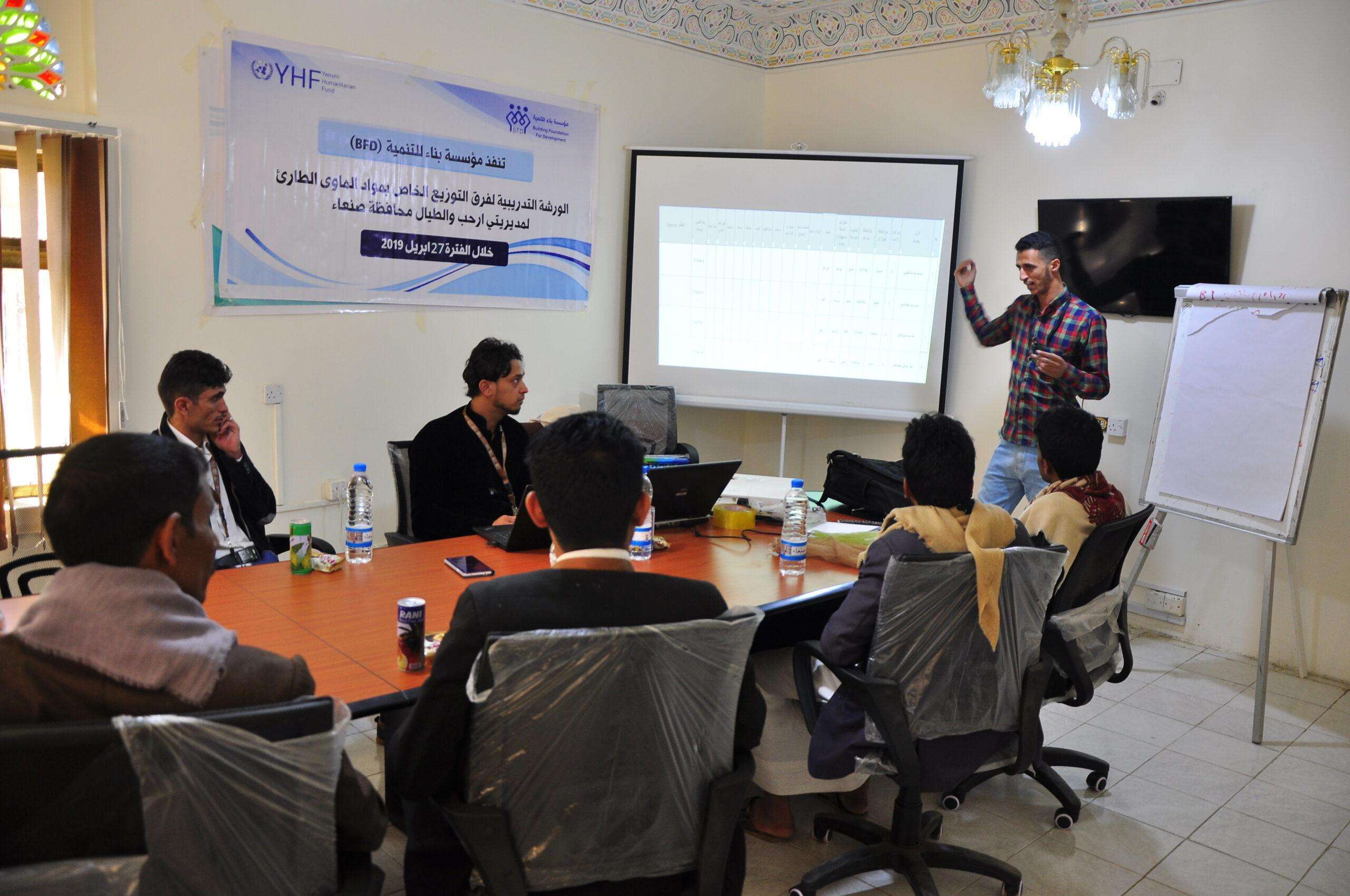
BFD has been actively working in adopting Protection and Gender equality in its programs and all multi-sectorial activities in the community and have its employees to be qualified in the field of protection, through receiving specialized training on the principles of protection, including the management of friendly spaces, case management, and psychosocial support and several courses in mainstreaming of protection and gender through all projects implementation and preparation phases.

  • Protection mainstreaming

BFD involve Protection mainstreaming in all the designed and implemented projects whether WASH, Health, Nutrition, Education and FSL. Incorporating protection principles and promoting meaningful access, safety and dignity in humanitarian aid. Focusing on following elements that must be taken into account in all humanitarian activities:
1 – Prioritize safety & dignity, and avoid causing harm: Prevent and minimize as much as possible any unintended negative effects of your intervention, which can increase people’s vulnerability to both physical and psychosocial risks.
2 – Meaningful Access: Arrange for people’s access to assistance and services – in proportion to need and without any barriers (e.g. discrimination). Pay special attention to individuals and groups who may be particularly vulnerable or have difficulty accessing assistance and services.
3 – Accountability: Set up appropriate mechanisms through which affected populations can measure the adequacy of interventions, and address concerns and complaints.
4 – Participation and empowerment: Support the development of self-protection capacities and assist people to claim their rights, including – not exclusively – the rights to shelter, food, water and sanitation, health, and education.

Mine risk management

  • Mine Risk Education

BFD is Leading with Mine Risk Education activities aiming to reduce the risk of injury from mines and unexploded ordnance by raising awareness and promoting behavioral change through public-information campaigns, education and training, and liaison with communities.

  • Mine clearance

BFD work on mine clearance including surveys, mapping, and minefield marking, as well as the actual clearance of mines from the ground. This range of activities is often referred to as “demining”. Humanitarian mine clearance aims to clear land so that civilians can return to their homes and their everyday routines without the threat of explosive hazards. The aim of humanitarian demining is to restore peace and security at the community level.

  • Victim Assistance

Providing victim assistance is a core component of mine action for BFD, Assistance is provided through a number of concrete actions to meet the immediate and long-term needs of mine accident survivors, their families, mine-affected communities, and persons with disabilities. Assistance includes, but is not limited to, emergency and continuing medical care; physical rehabilitation; psychosocial support and social inclusion; and laws and public policies that promote effective treatment, care, and protection for all disabled citizens.

Protection
Protection
Protection
Protection
Protection
Protection
Hotline Number

Available from 8 am to 4 pm, Sunday to Thursday.

8006565
Send us a message

Send your message any time you want.

+967 776555124
Our usual reply time: 1 Business day