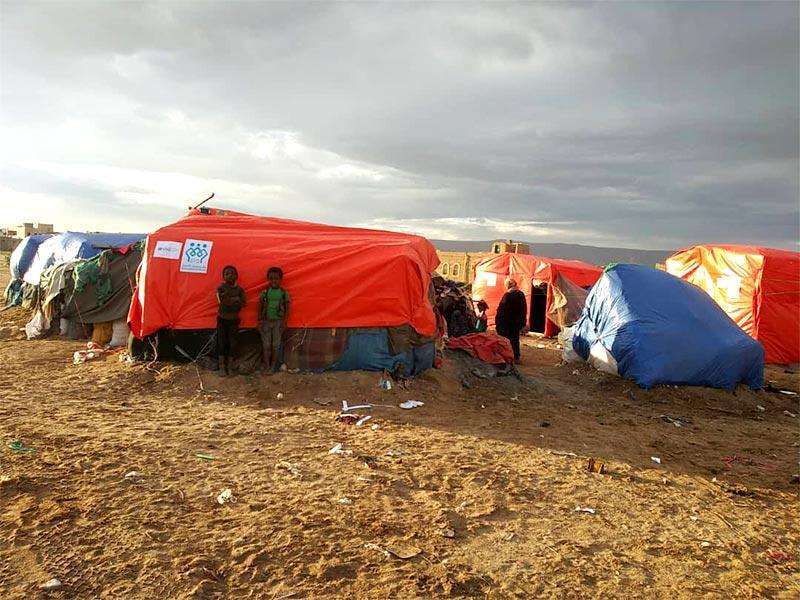
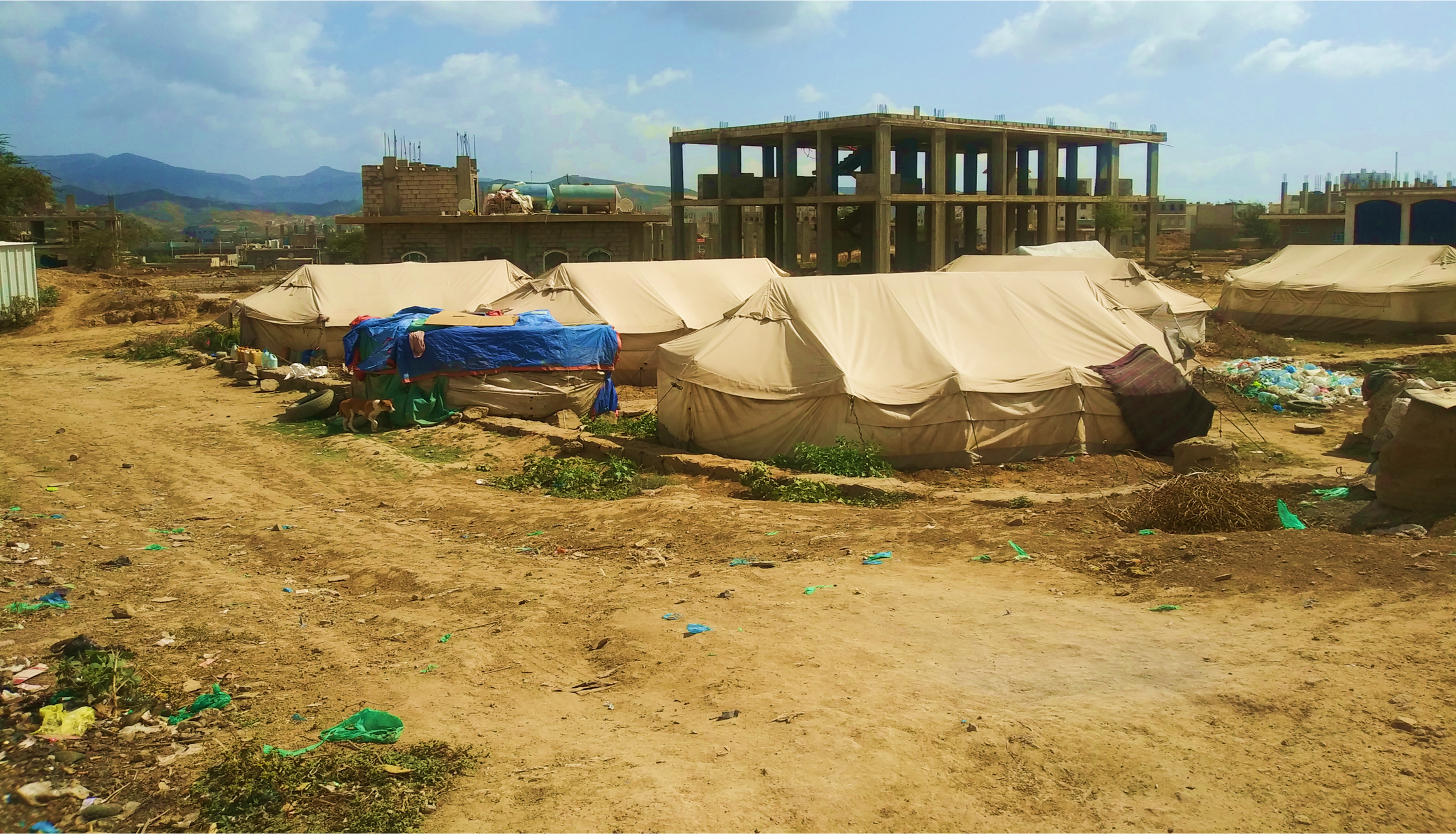
1- Protection
BFD seeks to ensure that refugee, asylum, migration-management, and displacement-related responses take into account the specific protection needs of asylum seekers, refugees, migrants, stateless persons, internally displaced persons, returnees, and host communities. BFD promotes protection-sensitive practices that respect human rights, confidentiality, safety, dignity, and non-discrimination for all persons on the move, regardless of their legal status.
BFD’s protection work includes protection mainstreaming, case identification, safe referrals, community-based protection, psychosocial support, protection awareness, child protection, GBV prevention and response, Mine Risk Education, protection monitoring, and support to persons facing urgent protection risks.
The program gives special attention to women, girls, children, persons with disabilities, elderly people, female-headed households, Muhamasheen, people lacking documentation, survivors of violence, and individuals exposed to exploitation, abuse, neglect, family separation, or unsafe coping mechanisms.
2- Multi-Sector Response Plan (RMMS)
BFD provides life-saving and life-sustaining aid to displaced Yemenis, refugees, asylum seekers, migrants, returnees, and vulnerable host communities across its areas of operation. Under the humanitarian coordination system, BFD contributes to protection, shelter and non-food items, cash assistance, WASH, health, nutrition, reproductive health, GBV services, and referral support for people affected by conflict, displacement, disasters, and violence.
BFD’s RMMS approach is based on integrated assistance rather than isolated services. This means that affected people may receive immediate assistance while also being referred to health care, GBV services, protection case management, nutrition, shelter/NFI, cash assistance, WASH services, and other specialized support according to their needs.
Through this approach, BFD helps stabilize newly displaced and crisis-affected households, reduce exposure to protection risks, and improve access to essential services in coordination with local authorities, clusters, service providers, and community structures.
3- Rapid Response Mechanism (RRM)
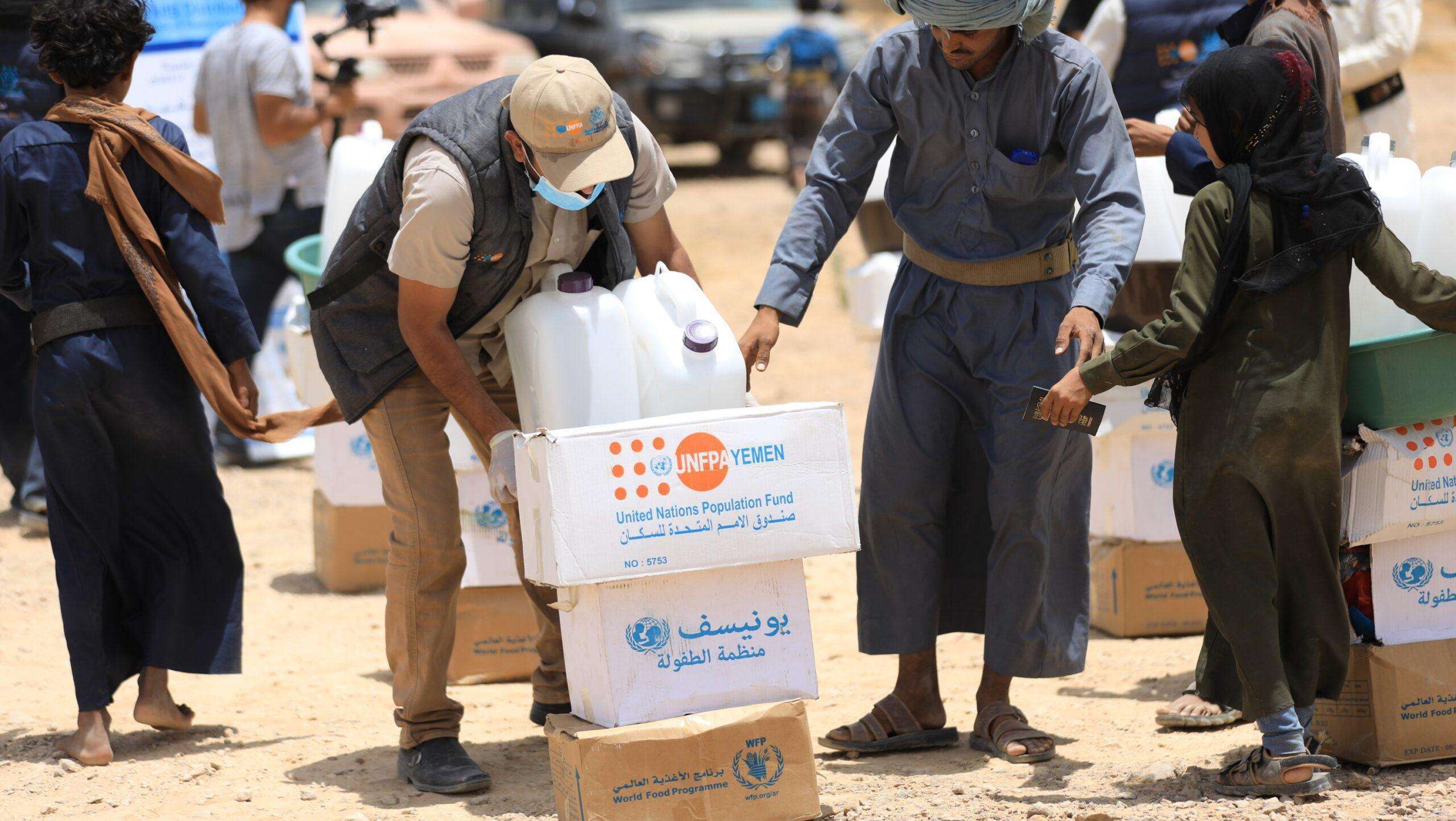
BFD strengthens rapid response to newly displaced and disaster-affected households through timely identification, verification, registration, distribution, post-distribution monitoring, and referral. BFD’s RRM work supports households affected by conflict, floods, fires, displacement, and sudden shocks, ensuring that urgent needs are addressed quickly and in a coordinated manner.
RRM assistance includes life-saving kits and referral support, including food, hygiene items, dignity kits, and other urgent relief assistance based on coordination mechanisms and available pipelines. BFD works to ensure that assistance is delivered safely, with clear information, protection mainstreaming, and respect for dignity.
BFD also links RRM beneficiaries with additional services, including RH services, GBV case management, protection support, shelter/NFI, MPCA, WASH, health, nutrition, and other humanitarian responses where needed.
4- Health, Reproductive Health, and GBV Services
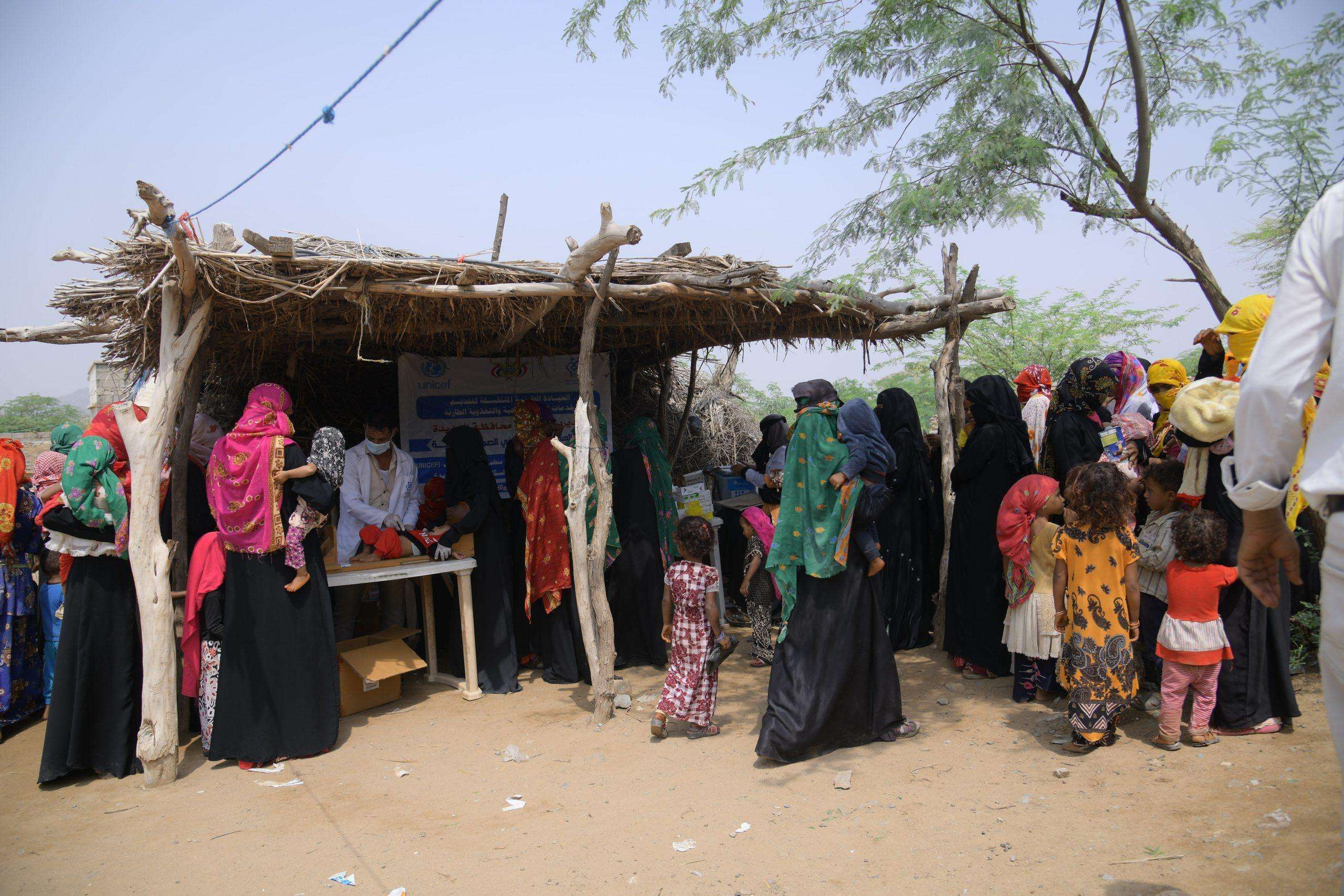
BFD supports health facilities and mobile outreach services that serve displaced people, refugees, asylum seekers, migrants, and vulnerable host communities. BFD’s support includes primary health care, reproductive health, maternal and newborn health, antenatal care, postnatal care, safe delivery, family planning, referral services, medical consultations, and emergency care for people affected by crisis and displacement.
BFD integrates GBV prevention and response within health and protection services by establishing safe referral pathways, supporting women and girls’ safe spaces, providing psychosocial support, strengthening case management, training service providers, and supporting survivor-centered care.
This integrated model helps women, girls, and other vulnerable individuals access confidential, safe, and coordinated support in the same service environment, reducing stigma and improving the quality and continuity of care.
5- Shelter, NFIs, Cash, and Basic Needs Assistance
BFD provides basic needs assistance to vulnerable displaced households, refugees, asylum seekers, migrants, and crisis-affected communities through cash assistance, non-food items, dignity kits, hygiene kits, shelter-related support, and referral to additional services. Cash assistance is used where markets are functional and where it supports dignity, flexibility, and household choice.
BFD’s basic needs support prioritizes households with high vulnerability, including female-headed households, households with persons with disabilities, elderly people, children, people with serious health conditions, families without shelter, people who lost livelihoods, and households facing urgent protection risks.
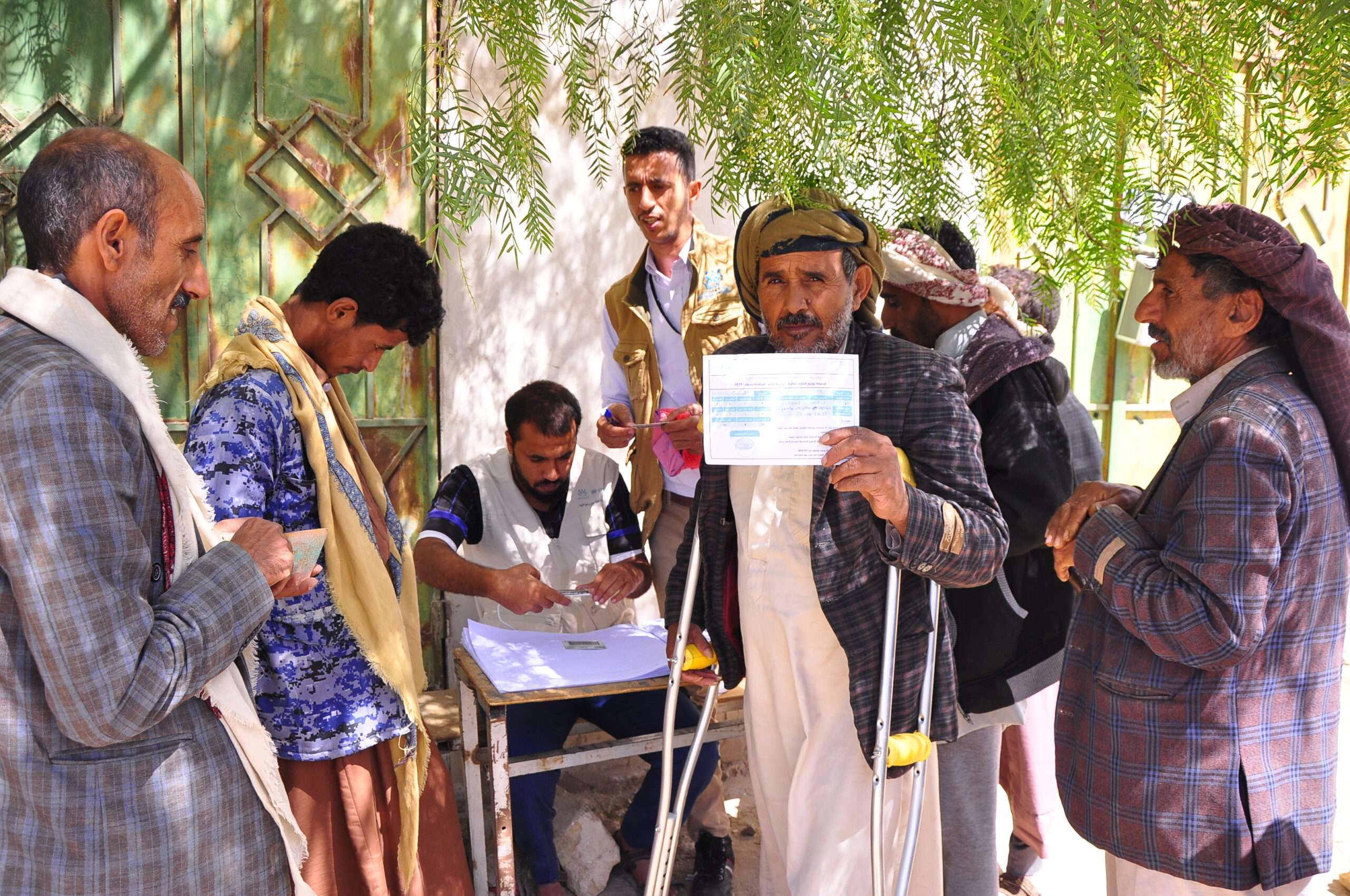
BFD ensures that distribution sites are safe, accessible, and selected in consultation with communities, local authorities, and security teams. Information on assistance, eligibility, and complaints channels is provided before and during distributions.
6- WASH, Hygiene, and Safe Living Conditions
BFD implements WASH interventions to improve safe access to water, sanitation, hygiene, and healthier living conditions for displaced and affected populations. These interventions include water points, water network rehabilitation, hygiene kit distribution, hygiene promotion, latrine construction and rehabilitation, handwashing stations, water-quality monitoring, and solid waste management.
WASH services are designed with protection and inclusion in mind, ensuring safer access for women, children, elderly people, persons with disabilities, and other vulnerable groups. BFD integrates privacy, lighting, accessibility, safe placement, and community consultation into the design of WASH facilities.
Through WASH support, BFD reduces exposure to waterborne diseases, improves hygiene practices, and supports safer and more dignified living conditions in IDP sites, host communities, and crisis-affected areas.
7- Referral Pathways and Integrated Case Management
BFD strengthens referral pathways between protection, RH, GBV, RRM, health, WASH, shelter/NFI, nutrition, and cash assistance actors. The objective is to ensure that affected people are not only reached with immediate assistance, but also connected to appropriate specialized services based on their needs.
BFD trains staff, health workers, social workers, psychologists, community volunteers, and local partners on safe identification, referral principles, confidentiality, case management, PFA, GBV core concepts, child safeguarding, PSEA, and protection mainstreaming.
This referral system allows BFD to respond to complex needs among refugees, asylum seekers, migrants, IDPs, returnees, and vulnerable host communities in a coordinated and survivor-centered manner.
8- Accountability, Community Engagement, and Inclusion
BFD ensures that affected populations have access to timely, relevant, and clear information about project activities, selection criteria, assistance packages, available services, and complaint and feedback channels. Communities are engaged through consultations, community committees, field visits, awareness sessions, help desks, posters, banners, social media, and direct communication with project teams.
BFD’s complaint and feedback mechanisms include suggestion boxes, hotline, WhatsApp, face-to-face feedback, help desks, community meetings, and field monitoring visits. Feedback is documented, analyzed, referred, and addressed with confidentiality, impartiality, and timely response.
BFD prioritizes inclusion of women, girls, persons with disabilities, elderly people, children, Muhamasheen, and other vulnerable groups through accessible distribution points, adapted communication, safe spaces, female staff where needed, and disaggregated data collection to guide improvements.
9- Capacity Building of Local Systems and Institutions
BFD’s response is designed to strengthen the capacities of national and local systems, including health facilities, schools, local authorities, community committees, service providers, local NGOs, women-led organizations, and community-based structures. This supports sustainability and helps integrate services within existing national and local systems.
Capacity building includes training, coaching, supervision, referral-system strengthening, service mapping, operational support, health facility rehabilitation, WASH infrastructure improvement, and support to community volunteers and committees.
By strengthening local systems, BFD helps ensure that support to refugees, asylum seekers, migrants, displaced persons, returnees, and host communities is not limited to emergency delivery only, but contributes to longer-term resilience and service continuity.
BFD’s Integrated Added ValueBFD’s added value lies in combining rapid response, protection mainstreaming, community trust, field presence, multi-sector service delivery, referral systems, accountability mechanisms, and local capacity building. This enables BFD to respond to the urgent needs of people on the move while also strengthening the systems and community structures that support their safety, dignity, access to services, and long-term resilience.